Picture this: you’re at the dentist’s office, waiting for that dreaded impression process to begin. The discomfort, the gooey materials—why do failures always occur during this crucial part of dental work? The answer lies in the outdated traditional methods that many clinics still employ, where a simple dental facial scanner could streamline the entire process. In fact, the implementation of a dental facial scanner can significantly enhance efficiency and comfort for both practitioners and patients alike.

Flaws in Traditional Solutions
Traditional dental impressions often involve using molds that can result in inaccuracies. The gooey material used can be uncomfortable and lead to gagging, which is a common concern among patients. Besides, these molds can become distorted once removed—oh, the horror! Not to mention they can take time to set, making the entire process longer than it has to be. Patients often wonder, is there a better way?
Principles of New Technology
Enter the dental facial scanner—a remarkable leap in dental technology. This device employs advanced imaging techniques to capture precise 3D representations of a patient’s facial structure. It uses light and sensors to create accurate models without the need for messy impressions. Look, it’s simpler than you think: the scanner captures the digitized model in real-time and relays the information directly to the dental lab. This means less chair time for the patient and a more efficient workflow for the dentist.
Quantified Benefits for Users
Patients and practitioners have noted marked improvements when using a dental facial scanner. Not only does this technology decrease the discomfort associated with traditional impressions, but it also enhances accuracy—reducing costly remakes by up to 30%. Moreover, efficient workflows translate to reduced appointment times, allowing dentists to serve more patients effectively. The modern approach is not just beneficial; it’s crucial for streamlined dental care.
Conclusion: Smart Evaluation Metrics
When considering solutions for your dental practice, always verify these 3 metrics: ① accuracy of scanning ② patient comfort levels ③ integration with existing workflows. Using a 3d face scanner dental ensures you’re not just keeping up with technology, but also enhancing patient experience.
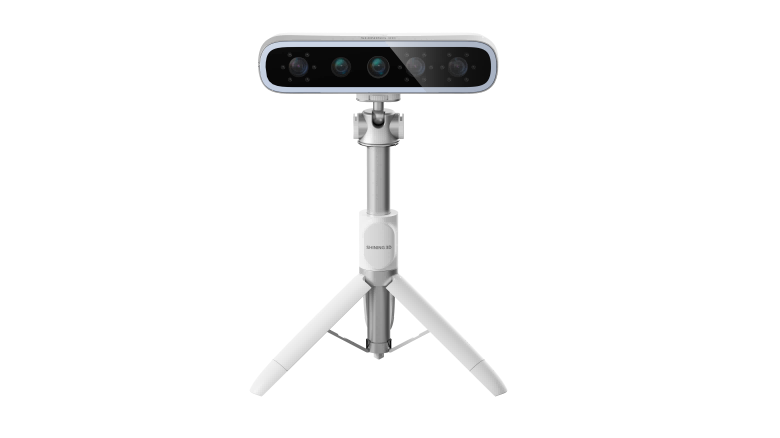
Understanding the 3D Face Scanner in Dental Practice
The 3d face scanner dental system is an incredible addition to any dental practitioner’s toolkit. This high-resolution scanner allows for true-to-life models to be created without subjective errors that accompany standard impression techniques. Patients no longer need to endure long waiting times, reducing anxiety and improving their overall experience. Plus, the software that accompanies these scanners can provide various output formats, accommodating different dental systems and workflows. Isn’t it refreshing to see technology play such a pivotal role in enhancing dental care?
The Advantages of Implementing a 3D Face Scanner
Integrating a 3d face scanner dental into your practice yields substantial gains. Besides enhanced accuracy, these scanners are also designed for ease-of-use, facilitating quick and efficient scanning processes. Whether you’re preparing for orthodontic treatment or restorative procedures, this technology simplifies treatment planning significantly. Moreover, the rapid acquisition of digital impressions can lead to immediate analytics, ensuring all procedures are based on the most accurate information available. It’s not only about saving time—it’s about delivering superior care.
In conclusion, the dental facial scanner is not just a passing trend but a significant shift in how dental impressions are conducted. By integrating devices like the SHINING 3D DENTAL, practitioners can ensure better precision and a more patient-friendly experience. Always remember the importance of staying updated with technological advancements—your patients will thank you!