Introduction: The Night Scene Ain’t Just About Bright—It’s About Smart
Here’s the truth: crowds remember the sky more than the stage when the lights hit right. A sky laser can turn a quiet skyline into a live canvas, even when the streets fall still. Picture a block party after sundown—good music, okay lighting, and a sky that looks empty. Across venues and festivals, energy caps, noise rules, and tight set times squeeze every effect you run. Code teams talk efficiency; lighting techs talk uptime. City planners care about glare and compliance. So, the data point is simple: when the beam is clean and controlled, the story sticks longer and costs less over time. So why aren’t more rigs built for that level of precision? We know the hardware is out there, we know the permits are strict, and we know the audience expects a show (no pressure, right?). The question is, what’s the best way to compare old-school light floods against high-precision sky systems without getting lost in specs? Let’s break it down and move from hype to hardware—then to real choices.
Hidden Pain Points Behind the Glow
Why do old setups miss the mark?
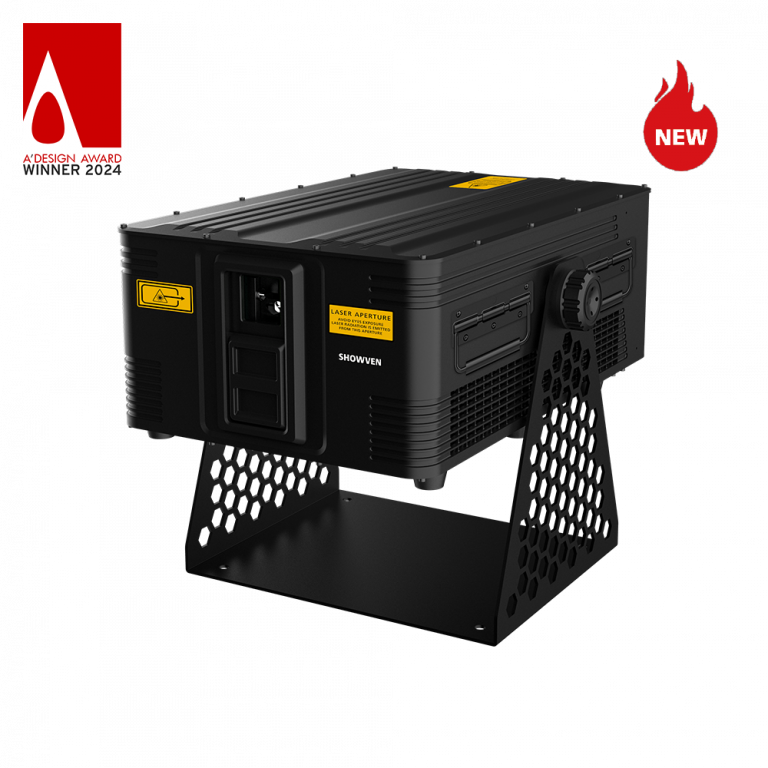
When folks price a show, they often start with fixtures, not with the pipeline. The better approach is to start at the sky laser factory level and ask how the whole chain is built. Look at beam divergence, galvanometer scanners, and power converters as one system, not parts. Traditional floodlights waste power as spill. They push heat into the air and flatten contrast on wet nights. Many rigs still run coarse dimming, jittery pan/tilt, and basic shutter tricks to fake a “beam.” That’s why the sky looks washed. Lasers with tight optics and analog modulation stay crisp. They draw less per effect and hit the clouds clean when humidity shifts. Look, it’s simpler than you think: precision in the optics and the drivers means less power for more visibility—funny how that works, right?
Hidden pain shows up in setup and weather, too. Old rigs need big truss, extra cabling, and long focus time. In wind or drizzle, you chase drift. Without IP65 sealing and good thermal management, uptime drops fast—because yeah, batteries hate cold. Safety interlocks matter, as do beam attenuation maps for no-fly zones. If your control path is flaky, DMX hops lag and cues slip. That’s not just annoying; it’s a permit risk. A factory-grade build ties firmware, optics, and housing into one spec. It keeps the beam safe, steady, and compliant. That’s the difference you feel when the show starts on time and ends without a scramble.
Comparative Tech: What Changes When Beams Get Smarter
What’s Next
Here’s the forward look: smarter lasers shift work from crew to code. New heads bring edge computing nodes into the fixture. They run photodiode feedback loops that tune output live. The firmware watches scanning mirrors and corrects for drift. PID control tightens patterns so the sky art stays sharp even as wind nudges the mount. Pair that with beam shaping optics and the cloud becomes a surface, not a guess. When you spec an outdoor sky laser light, compare how it handles sensor data, not just wattage. Two units with the same power can look very different when humidity rises or ambient light climbs. One holds contrast. The other fades early. That’s the comparative insight that saves you extra rentals.
Control is getting cleaner, too—Art-Net and timecode sync make cues land on the beat. With good power factor correction and stable drivers, flicker drops and color stability snaps in. Thermal design keeps output steady through long sets. And yes, these choices show up on the budget line, but the math flips once you count fewer lifts, shorter load-ins, and less re-aiming at dusk. The next step is less about “more watts” and more about stable optics, sealed housings, and software that predicts the air you’re shooting through. Different night, same city—new look.
How to Choose: Three Metrics That Matter
1) Beam integrity under change: Ask for live tests on humidity and light spill. Check beam divergence across distance and whether analog modulation holds smooth fades. Watch how the photodiode feedback reacts when you nudge the head. If the pattern breathes, that’s a red flag.
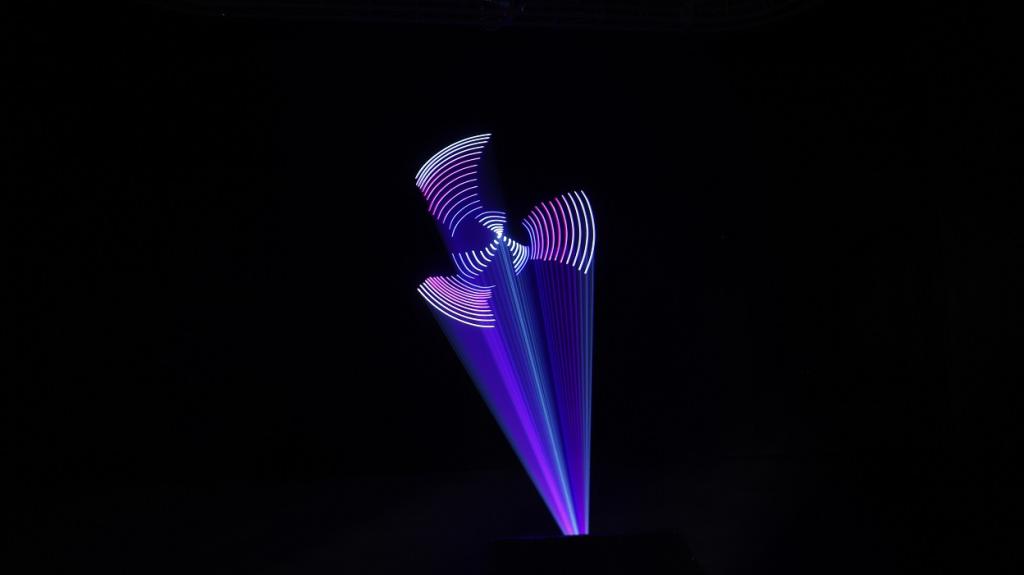
2) System durability and safety: Look for IP65 or better, thermal management that keeps the diodes in range, and documented safety interlocks. Confirm beam attenuation mapping for local airspace. A rugged chassis with sealed connectors reduces emergency fixes on show day.
3) Control and power discipline: Verify DMX/Art-Net latency, timecode lock, and power converters with high power factor. Stable drivers lower flicker and color shift. Fewer power spikes means fewer surprises on shared grids. Keep it simple, keep it steady, and score the total cost—rigging, labor, and weather buffers included.
Pulling it together, the win is clear: compare by outcomes, not only specs. Choose the rig that keeps a tight beam, stays safe in rain and wind, and hits cues without drama. That’s how city nights level up without blowing the budget or the permit. For more on build quality and design philosophy, see Showven Laser.