Introduction: A Quiet Shift on the Warehouse Floor
At dawn, the dock doors open and the floor manager scans the queue of trucks, already behind schedule. A lifting robot slides out of its charging bay and takes the first job without a sound. Within an hour, pallet cycle time drops by 22%, incident reports trend lower, and the radio chatter turns calm—funny how that works, right? Machines like heavy lifting robots change the pace in steady, measurable steps. They move with LiDAR-based awareness, respect safety zones, and sync with the warehouse system. The data is not flashy, but it is clear: fewer blind spots, better throughput, less fatigue on people. Still, the mood here matters. Clear aisles. Less noise. Fewer stops. That is how Scandinavian floors like to run (tidy and predictable).

So why do these gains show up where old gear once ruled? And what did we miss in the daily push for volume? Let’s move from the surface to the mechanics that actually carry the load—then we can judge what to keep and what to retire.
Under the Surface: Why Old Systems Struggle
Why do old methods break under load?
Forklifts, hoists, and fixed conveyors were built for linear work. They shine in repeat patterns. But mixed pallets, narrow aisles, and late load changes expose gaps. Static routes cause jams. Manual lifts spike strain and errors. AGVs stall on mapped lines when reality shifts by 10 cm. The result is stop-start motion and more waiting than moving. Look, it’s simpler than you think: the limits sit in sensing, control, and path choice. Without live context, the system guesses. And guesses mean delays.
Heavy-duty autonomy fixes these pressure points through tighter loops. Edge computing nodes fuse LiDAR and camera data with IMU readings for stable SLAM. Torque sensors protect payloads and racks while power converters smooth the lift under variable loads. A safety PLC enforces slow-downs near people and stops within a measured distance. Together, these parts cut cycle variance. They keep the robot lifting within its duty curve, even when the floor changes mid-shift. The gain is not magic; it is control theory, plus better feedback, applied to every meter moved.
Next Moves: Principles That Unlock Safer, Faster Lift
What’s Next
Now the comparison turns practical. Traditional lift gear relies on fixed plans; modern autonomy relies on live intent. The new stack leans on three principles: sense richer, decide sooner, and coordinate wider. First, richer sensing. Multi-echo LiDAR and 3D cameras track forks, pallet pockets, and people with fewer false returns. Second, earlier decisions. Local planners run on-board with ROS 2 and compute micro-paths in milliseconds. Third, wider coordination. Fleet orchestration balances tasks across bays and shifts, so no unit idles in the wrong zone. In short, heavy lifting robots get context fast—and act faster—while staying inside safety limits.
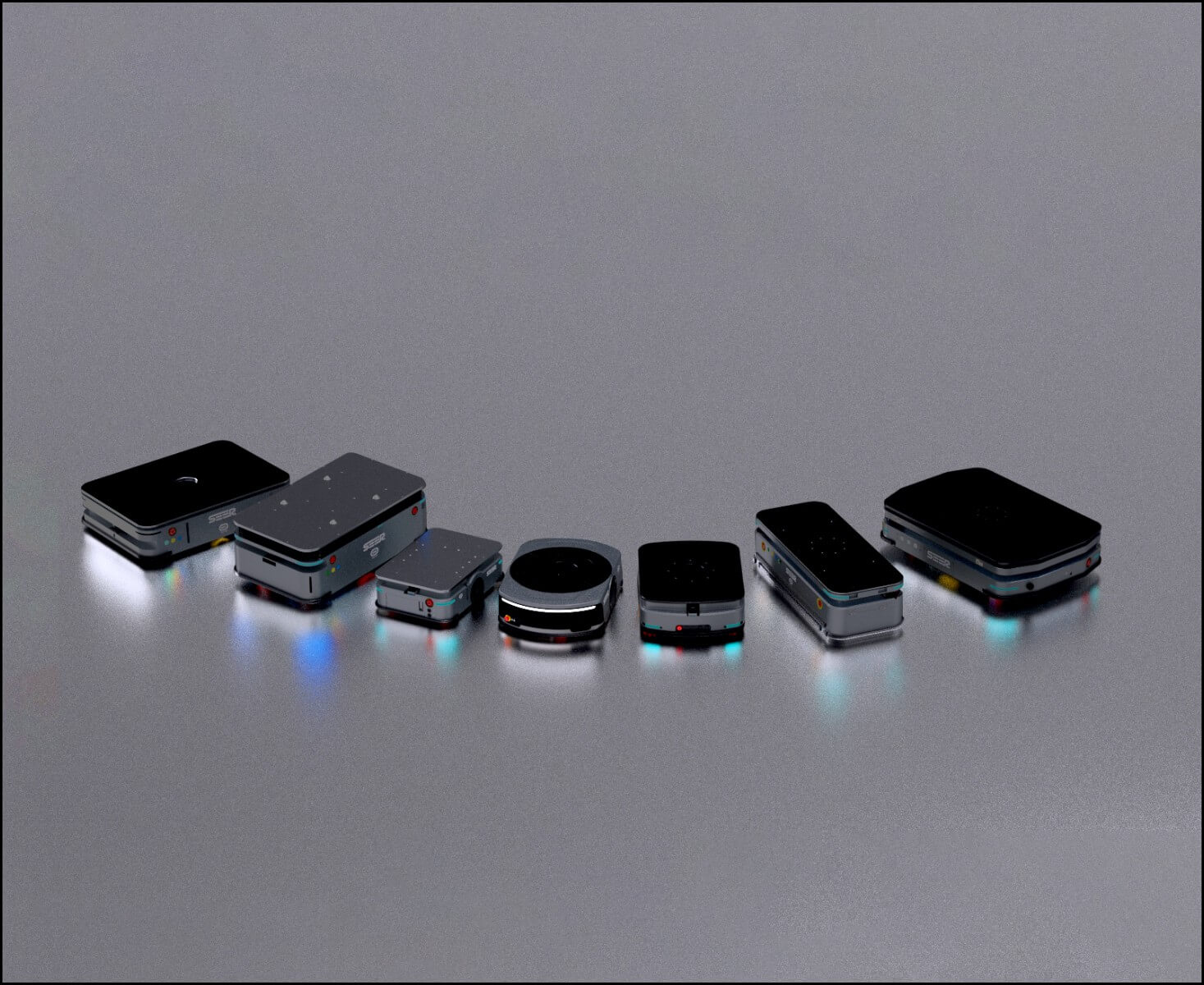
Energy and uptime also push the frontier. Regenerative braking feeds power back through high-efficiency power converters. A smart battery management system (BMS) smooths charge cycles and extends pack life. Predictive maintenance watches actuator wear and gearbox heat signatures. Downtime shrinks; crews plan around data, not hunches—funny how calm planning beats hustle. If you are choosing a path forward, use three clear checks: payload-to-footprint ratio under real aisle widths; certified stopping distance and human detection performance; integration time to your WMS and PLC, measured from pilot to first stable week. Keep these simple, and the rest follows. In the end, the goal is steady flow, fewer surprises, and work that feels lighter on people and assets. SEER Robotics