Printing, one of the most transformative inventions in human history, has shaped the way we communicate, learn, and share knowledge. From the earliest foamboard woodblock printing techniques to the advanced digital printers of today, the evolution of printing technology has revolutionized industries and empowered individuals. This article delves into the history of printing, its technological advancements, and its profound impact on education, business, and culture.
The origins of printing can be traced back to ancient civilizations, where techniques like woodblock printing were used to reproduce texts and images. However, it was Johannes Gutenberg’s invention of the movable-type printing press in the 15th century that marked a turning point in history. This innovation made it possible to produce books and documents on a large scale, democratizing access to knowledge and fueling the Renaissance and Reformation. The printing press laid the foundation for modern publishing and set the stage for the mass dissemination of ideas, transforming societies and fostering intellectual growth.
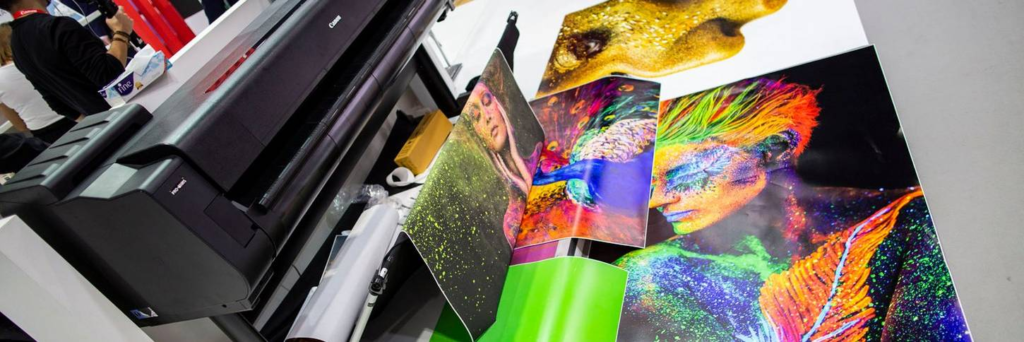
As technology advanced, so did printing methods. The 19th and 20th centuries saw the rise of offset printing, which allowed for high-quality, cost-effective production of newspapers, magazines, and books. The introduction of digital printing in the late 20th century further revolutionized the industry, enabling on-demand printing, customization, and faster turnaround times. Today, 3d printing has emerged as a groundbreaking innovation, allowing for the creation of three-dimensional objects from digital designs. This technology has applications in fields ranging from healthcare and manufacturing to art and architecture, demonstrating the versatility and potential of modern printing.
The impact of printing on education and literacy cannot be overstated. Printed books and materials have been instrumental in making education accessible to people worldwide. Libraries, schools, and universities rely on printed resources to support learning and research. Even in the digital age, printed textbooks and workbooks remain essential tools for students and educators. Furthermore, printing has played a crucial role in preserving cultural heritage, from ancient manuscripts to contemporary literature. It has allowed societies to document their histories, share stories, and pass down knowledge to future generations.
In the business world, printing has become an integral part of marketing, branding, and communication. From business cards and brochures to packaging and signage, printed materials help companies establish their identity and connect with customers. The rise of digital printing has also enabled businesses to create personalized marketing campaigns, enhancing customer engagement and loyalty. Additionally, the packaging industry relies heavily on printing to produce visually appealing and informative product labels, ensuring consumer safety and satisfaction.
In conclusion, printing technology has come a long way since its humble beginnings, evolving into a powerful force that continues to shape our world. Its influence on education, business, and culture is undeniable, and its potential for innovation remains limitless. As we look to the future, advancements in printing technology, such as eco-friendly inks and sustainable practices, promise to further enhance its impact while addressing environmental concerns. Whether through the pages of a book, the precision of a 3D-printed object, or the creativity of a marketing campaign, printing remains an essential tool for progress and expression in our ever-changing society.