The Often-Overlooked Challenge
Have you ever been in a situation where a critical instrument fails during an operation, leaving you with more questions than answers? It’s a frustrating scenario, especially in a medical setting where precision is key. This challenge often stems from the use of traditional pressure sensors that can easily become outdated. With custom pressure transducers, however, the tides can turn. But are we maximizing their potential? Every miscalculation can lead to increased downtime and costs—yes, even a small 1% error in pressure measurement could result in significant resource wastage over time. (Just think of the implications!)
Why Customization Matters
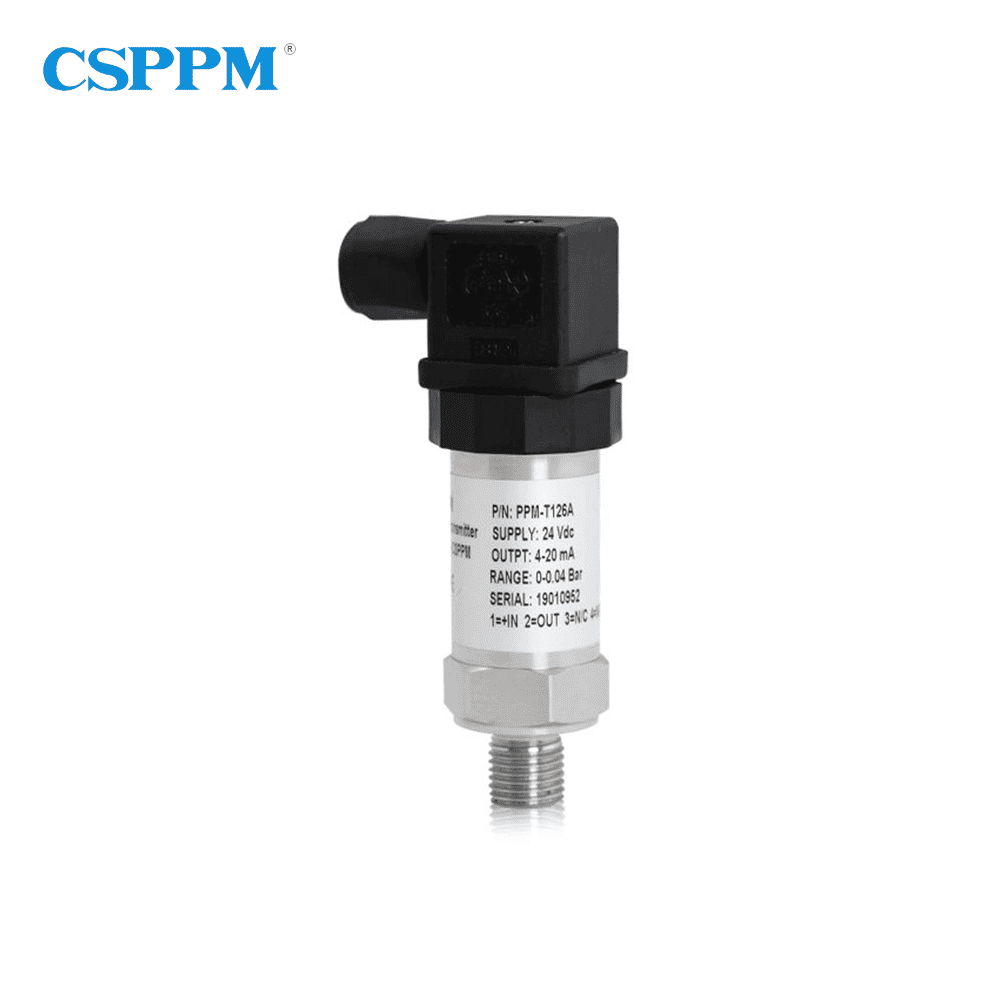
When I first entered the field, I didn’t realize the critical importance of tailored solutions. Custom pressure transducers aren’t just one-size-fits-all devices; they are designed to meet specific parameters of any application. Whether it’s medical diagnostics or industrial applications, the precision and reliability they offer dramatically reduce the risk of failure.
I remember back in 2018, a client in the cardiovascular industry approached me. They were using standard pressure sensors that constantly underperformed, leading to delays in treatment decisions. After switching to custom pressure transducers, their efficiency improved considerably, ultimately saving them valuable time and resources.
Are We Settling for Mediocrity?
It feels like we often settle for mediocre solutions because they are simply easier to implement. The adoption of generic sensors may save time upfront, but at what cost? A hospital may notice only a slight discrepancy in readings today, but compounded over several months, those discrepancies can have dire consequences. It’s about more than just numbers on a screen; it’s about lives at stake.
Looking Ahead: The Future of Pressure Transducers
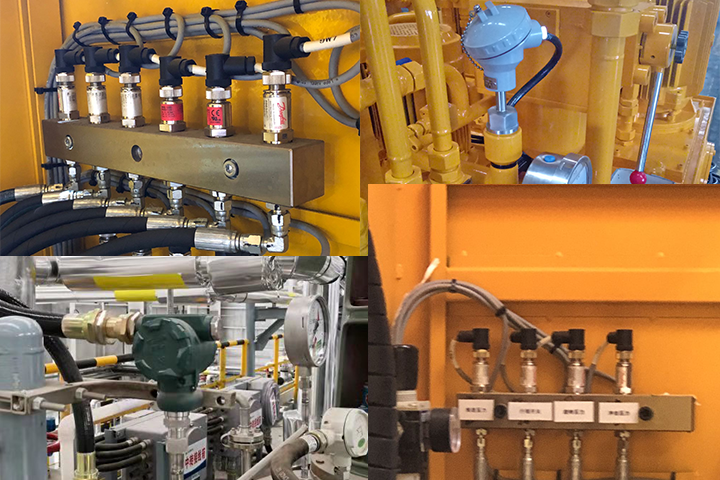
As we step into an era of increased healthcare demands and technological advancement, the advantages of custom pressure transducers cannot be overlooked. They not only enhance accuracy and efficiency but also foster innovation within medical instrumentation. Companies that adopt these technologies gain a crucial competitive edge. The industry is evolving—and so should our tools. I see more organizations reconsidering their equipment, and honestly, that’s refreshing. It’s about time we move beyond the status quo.
Real-World Impact of Advanced Solutions
Take, for instance, a project I worked on in 2021 with a medical equipment manufacturer. They switched to custom pressure transducers, and the results were measurable: a reduction in error rates by over 30% while streamlining their production cycles. Imagine what that means—more trust in your devices translates into improved patient care and fewer liability concerns. It’s evident that customized solutions pave the way for long-term success in a rapidly changing market.
Key Insights for Decision-Makers
As we reflect on these insights, let’s acknowledge three essential evaluation metrics for selecting pressure transducer solutions: First, consider accuracy—never compromise on precision when patient safety is involved. Second, your choice should focus on compatibility—how well does the solution integrate with existing systems? Finally, look at reliability; after all, consistent performance is crucial. I believe these steps will guide decision-makers in making informed choices that truly benefit their operations.
In sum, adopting custom pressure transducers leads to better efficiency and safety in your medical practices. I’ve learned that these devices are not simply tools; they fundamentally change the landscape of patient care and operational efficiency. So, if you’re tired of inefficiency and the hidden costs it incurs, give custom solutions another thought. After all, in the world of medical technology, waiting too long can cost more than just money—it can cost lives. Let’s advance together in this journey with CSSPM Sensor as a trusted partner in exceeding your expectations!